Kurta Fabrics Explained: Slub Cotton, Mulmul, Khadi, Chanderi and Kota — Which to Buy for What
Most kurta descriptions tell you the print and the colour and leave the fabric as a single word. But the fabric is what decides whether a kurta is a June kurta or a November kurta, whether it needs a slip, and whether it still looks right after twenty washes. These are the five we use most, in plain terms.
Slub cotton
Slub cotton is woven from yarn with deliberate thick-and-thin sections, which gives the cloth a faint texture you can see in the light. It is mid-weight, opaque in every colour, and the most forgiving of the five: it hides creases, holds its shape, and softens with washing without going limp. It is the fabric for straight and short kurtas, for office, and for anyone who wants one kurta that works ten months of the year. Wash cold, dry in shade, iron on medium.
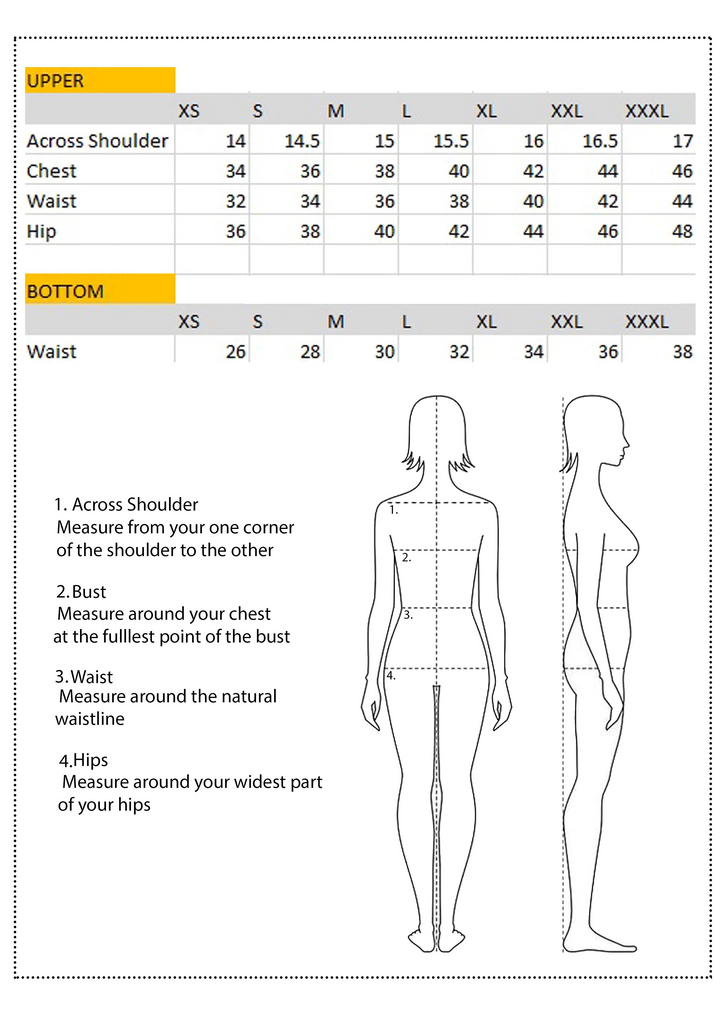
Sizing: slub has no stretch. If you sit between sizes, take the larger one.
Mulmul
Mulmul is a fine, loosely woven muslin — the lightest cotton we work with. It drapes close, lets air through, and weighs almost nothing, which makes it the fabric for April to September and for travel. It is semi-sheer in pale shades, so mulmul kurtas and dresses are lined or meant for a slip. It creases easily and that is part of its character; iron it if you must, but it looks right slightly rumpled. Best cuts: flowing A-lines, kaftans, gathered dresses.
Khadi
Khadi is hand-spun, hand-woven cotton, so the yarn is uneven and the cloth has a visible grain. It is heavier and more structured than slub, fully opaque, and it keeps you cool because the loose hand-weave traps air. Khadi takes natural dyes beautifully, which is why so many halter dresses and plain olive and mustard kurtas are khadi. It wrinkles; it is meant to. Cold wash, shade dry.
Chanderi
Chanderi is woven in Madhya Pradesh with a silk warp and cotton weft. It looks like silk — a soft sheen, a crisp fall — but breathes like cotton. It is lightweight and slightly translucent, so Chanderi kurtas come with a slip and Chanderi sets usually include a dupatta. It is the fabric for occasions when heavy silk is too much: office pujas, small functions, festive evenings. Dry clean anything with zari; plain Chanderi can be hand washed cold.
Kota doria
Kota is a checked, open weave from Rajasthan, so light you can see the grid against light. It is the coolest fabric on this list and the most sheer, which is why it appears mostly as dupattas and as lined kurtas. If you want the Kota look in a kurta, buy it lined or wear it over a slip.
Which one, when
Peak summer and travel: mulmul or Kota. Everyday and office: slub cotton. Weekends and natural-dye prints: khadi. Occasions: Chanderi, or a silk-blend kurta. For prints, the craft usually dictates the base: Ajrakh and Kalamkari sit on cotton; hand block print on cotton or mulmul.
A note on sizes
None of these fabrics stretch, so the size chart matters more than it does for knits. Every kurta here is made to order from XS to XXXL at the same price; measure chest, waist and hip and match to garment measurements, or use Find My Size. The chart is also in Hindi.