The Future of Craft in Indian Ethnic Fashion: Trends to Watch
The resurgence of Indian ethnic fashion is no longer subtle. From the comfort of cotton handlooms to the charm of intricate embroidery, traditional crafts are making a powerful comeback. However, this revival is different from the past. The ethnic wear landscape is evolving, driven by innovation, sustainability, and modern lifestyles.
Today’s designers and craftsmen are blending technology with heritage, creating fashion that is rooted in tradition yet relevant for the present. This leads us to an important question: What does the future of Indian ethnic fashion look like?
Through this blog, we explore where Indian ethnic fashion is headed and how Tjori is shaping this new era.
The Current Landscape of Indian Ethnic Fashion
Ethnic fashion in India is thriving. Wardrobes are increasingly filled with traditional crafts such as block printing, chikankari, ikat, and handloom weaving. Despite rapidly changing trends, handmade ethnic wear continues to remain popular.
The reason is simple—handcrafted clothing feels personal, sustainable, and deeply connected to culture. Consumers are drawn to garments that tell a story, reflect skilled craftsmanship, and carry the warmth of tradition.
At Tjori, we bring these authentic crafts to our customers, ensuring every piece is purposeful, genuine, and rooted in India’s rich textile heritage.
Sustainability: The Driving Force Behind the Future of Fashion
The future of Indian ethnic wear is undoubtedly sustainable. Modern consumers are consciously choosing eco-friendly fabrics, natural dyes, and ethical production practices. How clothing is made has become just as important as how it looks.
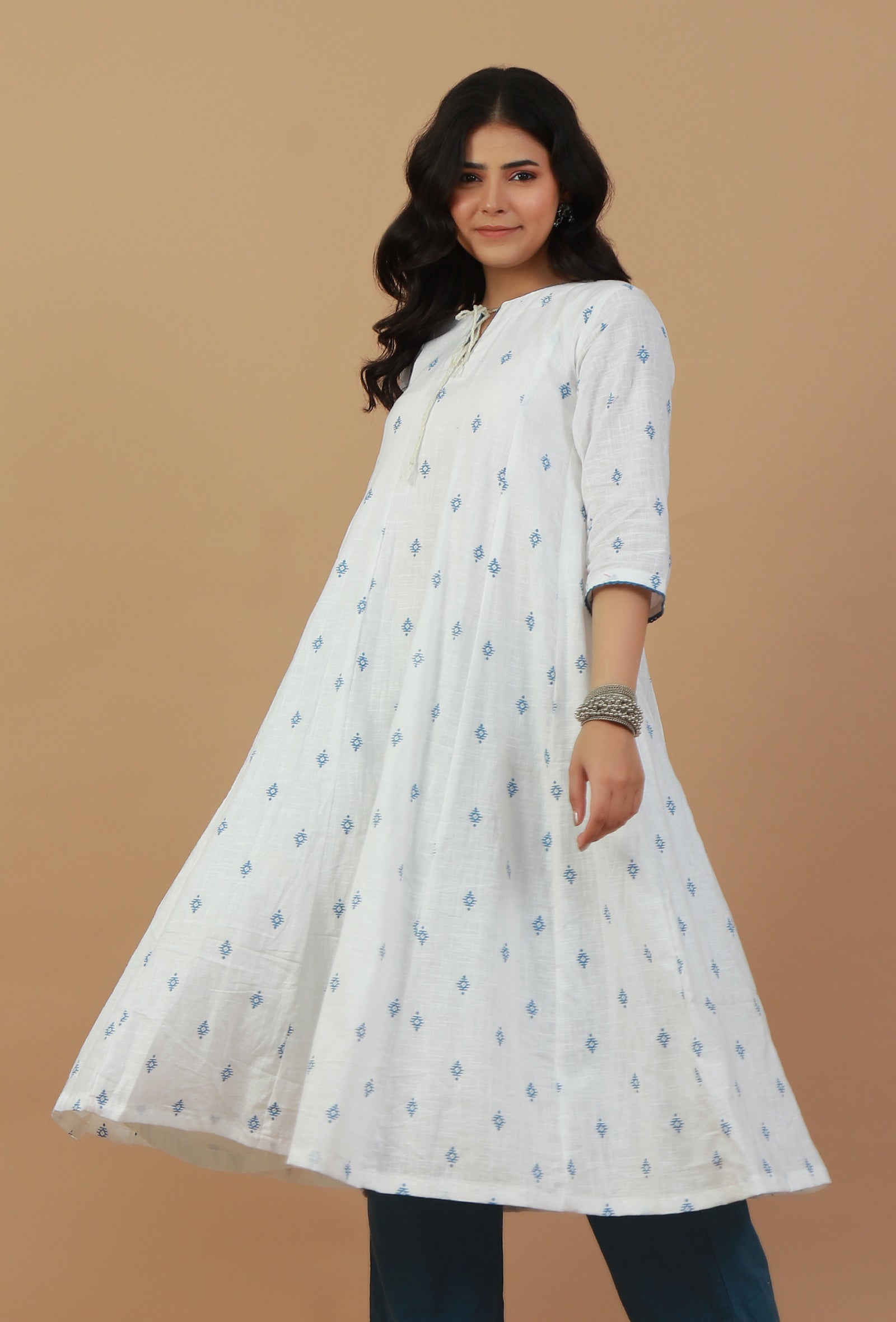
Indian crafts have always supported sustainability. Handlooms, organic cotton, khadi, and upcycled textiles naturally align with the eco-conscious fashion movement.

For Tjori, sustainability is not a trend—it is a philosophy. From artisan-made fabrics to environmentally responsible processes, our collections celebrate ethical craftsmanship with a modern sensibility.
Technology and Tradition: The New Face of Indian Craft
Technology is transforming Indian ethnic fashion without replacing its handmade essence. Designers are now using AI-driven design tools, 3D prototyping, and augmented reality to create innovative and personalized designs.
At the same time, digital platforms are enabling artisans to connect with global audiences. Technology enhances traditional craftsmanship by improving accessibility, creativity, and reach.
Fusion Fashion: The Global Appeal of Indian Ethnic Wear
Today’s consumers seek a balance between heritage and contemporary style. This has led to the rise of fusion fashion—where Indian aesthetics blend seamlessly with global trends.
Sneakers paired with sarees, jeans styled with kurtas, and Indo-Western dresses made using handblock prints define modern ethnic fashion.
Tjori’s collections reflect this balance. From bohemian dresses to hand-embroidered jackets, every piece celebrates Indian craft with a global perspective.
The Shift from Fast Fashion to Slow, Conscious Living
Fast fashion is gradually giving way to slow, conscious fashion—bringing good news for Indian crafts. Consumers today value transparency, authenticity, and longevity.
Rather than owning more, shoppers prefer investing in fewer, better-quality pieces that are ethically made and timeless. Artisan-crafted clothing is gaining popularity because it represents care, skill, and responsibility.
The Future of Indian Ethnic Fashion: 2025 and Beyond
Indian ethnic fashion is on the brink of an exciting transformation. The future will be shaped by creativity, consciousness, and technology, while traditional craftsmanship remains at its core.
- Personalised Fashion Powered by AI: AI will enable designs tailored to individual preferences, body types, and lifestyles.
- Blockchain Authenticity: Blockchain technology will help verify the authenticity and origin of handcrafted products.
- Sustainable Innovation: Eco-friendly fabrics, natural fibres, and zero-waste processes will become standard.
- Gender-Neutral Ethnic Wear: Expect fluid silhouettes and inclusive designs focused on comfort and versatility.
- Designer–Artisan Collaborations: Partnerships will elevate Indian crafts globally while preserving cultural integrity.
Crafting a Conscious Tomorrow with Tjori
Indian ethnic fashion is not confined to the past—it is evolving beautifully. The future belongs to those who respect tradition while embracing change.
By blending sustainability, technology, and creativity, Tjori continues to preserve India’s craft legacy while redefining the global experience of ethnic fashion.
True style never fades—especially when it is handmade with love. Explore Tjori’s collection of Indian ethnic fashion and be part of a conscious fashion movement.
FAQs About Indian Ethnic Fashion
What is the future of Indian ethnic fashion?
The future lies in a blend of traditional craftsmanship, sustainable practices, technological innovation, and global design influence.
Why is sustainable ethnic wear gaining popularity?
Consumers prefer fashion that is ethical, environmentally responsible, and supportive of artisan communities.
How is technology impacting Indian ethnic fashion?
AI design tools, blockchain verification, and digital marketplaces are making ethnic fashion more transparent, personalised, and accessible.
What role does Tjori play in shaping the future of ethnic fashion?
Tjori bridges heritage and modernity by supporting artisans, embracing sustainability, and making authentic Indian fashion accessible worldwide.