Karva Chauth 2026 Outfit Ideas: What to Wear from Sargi to Moonrise
Karva Chauth 2026 falls on Thursday 29 October, nine days after Dussehra and ten before Diwali. It is one long day rather than a festival week: a pre-dawn sargi, a morning of mehendi and preparation, an afternoon puja with the story of the karva, and the evening wait for the moon – followed, usually, by the one photograph that gets framed. You are fasting through all of it, so comfort is not a luxury. Here is what to wear for each part, with pieces from Tjori’s Karva Chauth edit.
Sargi – before sunrise
You eat at 4 or 5 in the morning, often at your mother-in-law’s. Something you can sit on the floor in and go back to sleep in: a soft malmal or slub cotton kurta with drawstring palazzos. Many families keep the sargi outfit new, so this is a good place for a pretty printed cotton that you will wear all winter.
The day – mehendi, hair, the house
Mehendi goes on in the morning and must not be smudged, and by afternoon the fast is being felt. Wear the evening outfit’s bottom half or a cotton kaftan – wide sleeves keep hands free of fabric while the mehendi dries – and change the top later. Sit near a window rather than a fan, and keep the heavy jewellery for the puja.
The puja and moonrise – the main outfit
Red is the colour – it is the colour of the wedding day, which is what Karva Chauth revisits – with maroon, rani pink and gold close behind. Many women re-wear a piece from their wedding trousseau; if you would rather buy new, three routes that hold up through an evening of standing, sitting on the floor and the moon being late:
- The suit set: a red or maroon Ajrakh or Kalamkari kurta set with dupatta – the most comfortable option after a day of fasting, and the dupatta doubles as the sieve-and-moon veil for the photograph. Add embroidered juttis, a kundan choker, maang tikka and glass or thread bangles stacked with your chooda.
- The saree: a red cotton-silk or Ari-embroidered saree with a readymade brocade or organza blouse in your size – no tailor needed in Diwali week – and brocade block heels you can slip off for the puja.
- The dress: a maroon cotton-silk Kalamkari dress or a red Ikkat dress with a sheer Kota dupatta for the moon – for anyone who finds a saree hard to manage on an empty stomach.
Keep the metal to one: gold-tone with red and maroon, oxidised silver with rani pink or wine. A gota or brocade potli holds the karva thali essentials and looks right in the photograph.
After the moon – the meal
The first food in sixteen hours, usually a family dinner. If you are changing, a satin co-ord or a block-print kurta with the puja jewellery still on. If you are not, loosen the dupatta and lose the heels.
Sizes and fit
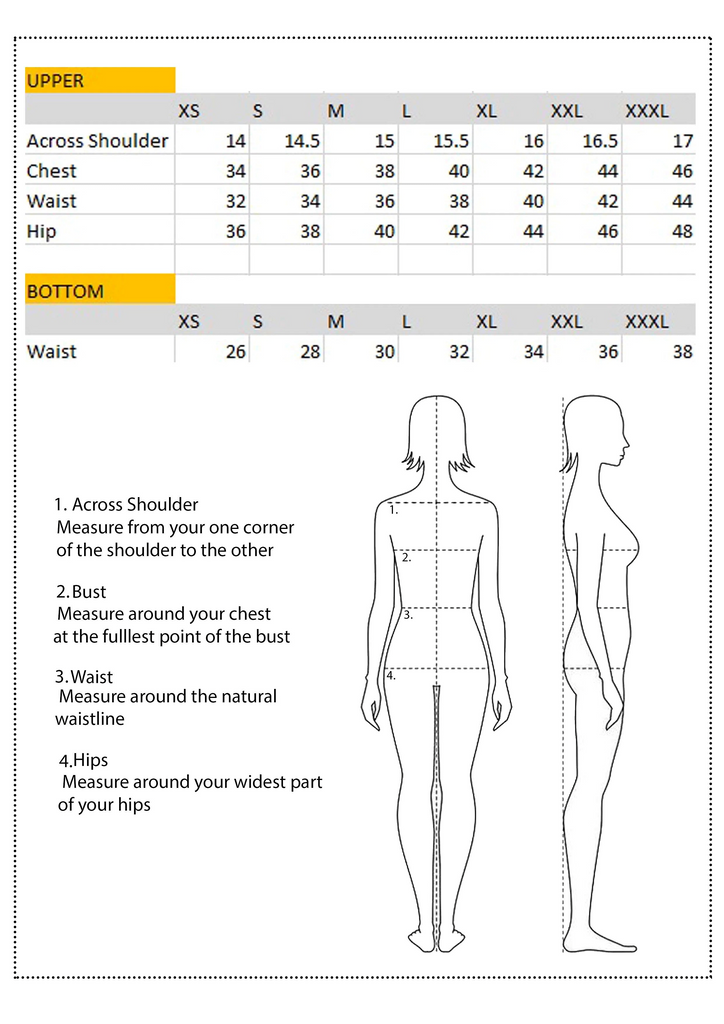
Everything above is made in XS to XXXL (chest 86–117 cm). For a day of fasting choose the more relaxed cut – an A-line kurta over a fitted one, drawstring over elastic – and if you are between sizes, go up; cotton and cotton-silk have no stretch. Everything in XXXL is on one page, and the Find My Size calculator converts your bust and hip to a Tjori size.
The gift
Karva Chauth gifts traditionally come from the husband and the mother-in-law. From Tjori’s accessories label Saagah: a kundan or German-silver choker, a pair of silver anklets, embroidered juttis, or a potli. For her sargi, a hand-block printed Kota dupatta is the piece that gets used most.
Order timing
Order by 22 October for standard delivery before Karva Chauth – the week before is also Diwali dispatch, so do not leave it to the last three days. Returns and exchanges are accepted on unused pieces with tags – see the returns policy.
FAQs
When is Karva Chauth in 2026?
Thursday 29 October 2026. Moonrise times vary by city – roughly 8 to 8.30 pm in most of north India – so check your local panchang.
What colour should I wear on Karva Chauth?
Red is traditional, followed by maroon, rani pink, orange and gold. Black and white are avoided by most families for the puja.
Can I wear a dress instead of a saree?
Yes. A red or maroon Kalamkari, Ikkat or cotton-silk dress with a dupatta and traditional jewellery reads as festive and is easier to manage while fasting.
What should a first Karva Chauth outfit be?
Most brides re-wear a piece from the wedding trousseau, or choose a new red suit set with their chooda and wedding jewellery. Comfort matters more than weight – it is a sixteen-hour day.